
Brand: All Prima Home Test Specialty Products
Prima Celiac Disease Test – 1 Test
Prima Celiac Disease Test – 1 Test
1 Testkit
Product Type: Prima Home Test Kits
Couldn't load pickup availability
Your information is safe with us.
Hassle-free returns and replacements.
Not satisfied? Return within 30 days.
Enjoy free shipping on all orders over $99 AUD.
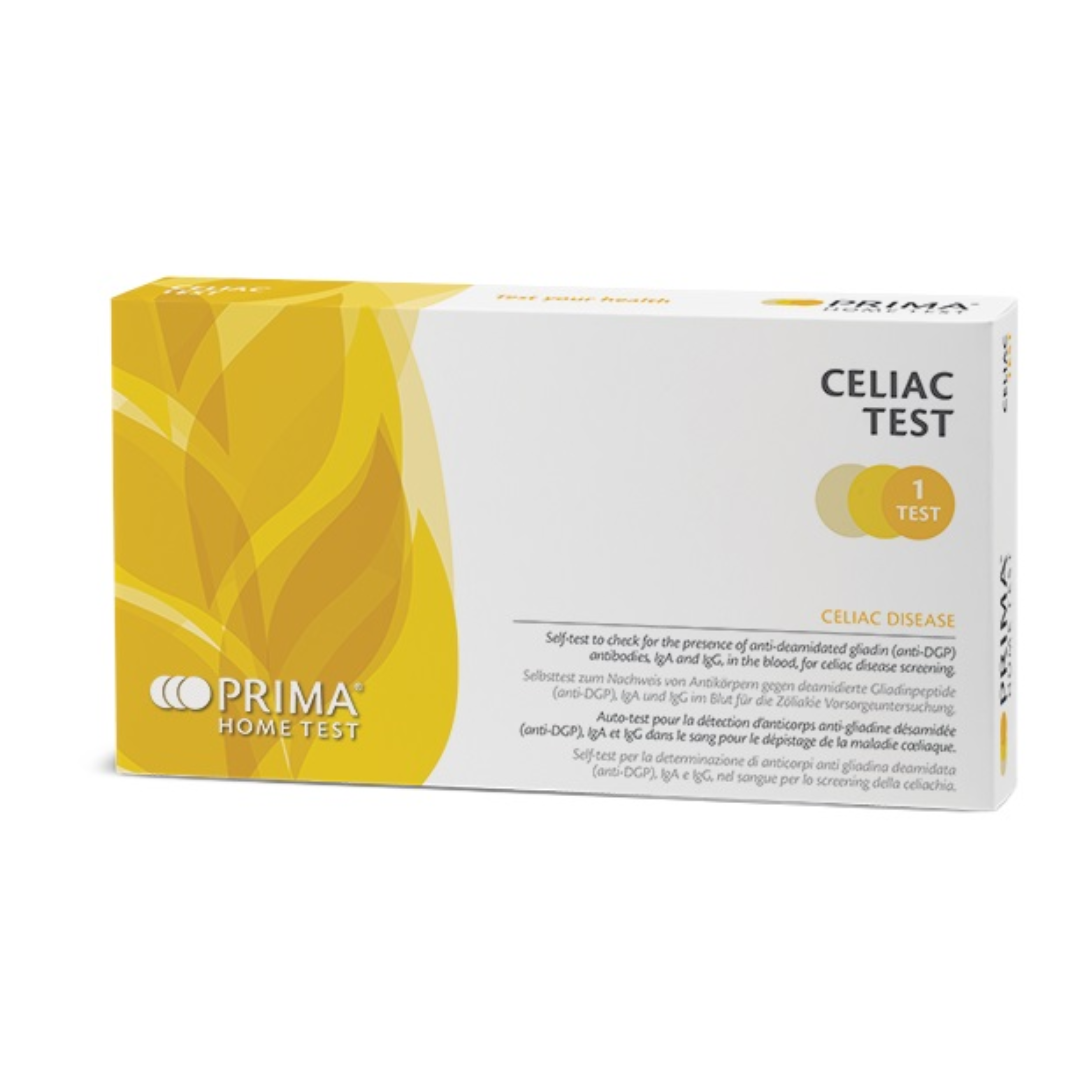
Celiac disease is a chronic autoimmune intestinal disease caused by the ingestion of gluten, which, in genetically predisposed individuals, results in a state of chronic inflammation of the small intestine. It can occur at any age, and a prevalence of 1.5% among the world population, with a higher incidence in the female sex. Recent studies have shown that celiac sufferers produce specific antibodies that are detectable in the blood. Among them, IgG anti-deamidated gliadin peptides (anti-DGP) and anti-tissue transglutaminase (tTG) antibodies show a high correlation with celiac disease, thus allowing high accuracy in screening for the disease. In people with celiac disease, the gluten exposure – a protein complex typical of certain cereals – leads to a progressive reduction of the villi that line the small intestine, until they disappear completely. This interferes with the absorption of nutrients, since the intestinal villi are responsible for this, which in the long term leads to weight loss and growth retardation.
CELIAC DISEASE SCREENING TEST is indicated both for those with the classic symptoms relatable to celiac disease and for those individuals who experience vitamin deficiencies. Since celiac disease is a heritable condition, the test is also recommended for those who have family members with celiac disease or who belong to specific risk groups (patients with type 1 diabetes mellitus, Down syndrome, osteoporosis, iron deficiency anemia). Common symptoms include chronic diarrhea, abdominal pain and bloating, constipation, and weight loss. Some individuals have less frequent symptoms such as headache, lethargy, and joint pain. Any vitamin deficiencies (e.g. iron, vitamin B, or folate), could be an indication of improper intake of necessary nutrients, caused precisely by celiac disease. In addition, the risk of positivity has been found to increase up to 20% for first-degree relatives, even if asymptomatic.